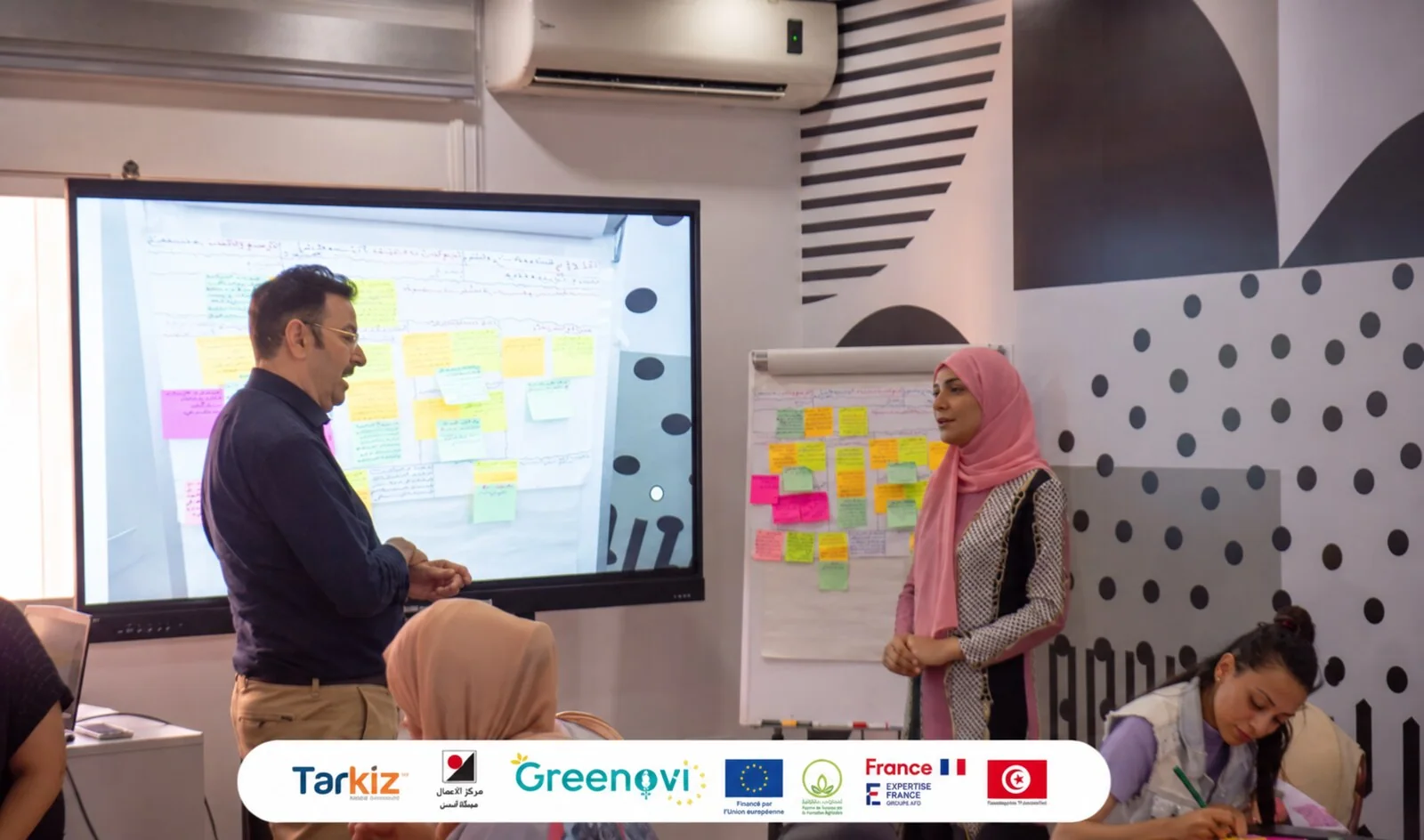
Start with a shared problem
Collaboration is easier to organise when partners begin with a well-framed operational challenge. The university can then identify relevant laboratories, expertise and student capabilities, while the company can clarify constraints, expected value and the evidence needed for a decision.
A shared problem also makes it possible to choose the right format: an expert review, a student project, collaborative research, prototype development, licensing or a longer innovation partnership.
Make the interface explicit
Companies should not need to understand the university’s internal structure before asking a question. A functional interface identifies who receives the request, how it is qualified, who can respond and when the partner will receive a decision.
The same clarity is needed for confidentiality, intellectual assets, publication, access to equipment and the allocation of costs. These rules protect the relationship and prevent promising discussions from stalling.
Translate knowledge into a usable offer
Research descriptions are rarely written in the language of operational needs. Technology-transfer teams help translate capabilities into use cases, levels of readiness and credible next steps. They also help researchers understand the business context without reducing scientific work to a sales exercise.
This translation function is where technology scouting, knowledge-transfer offices and university–industry liaison structures create practical value.
Turn a successful pilot into a repeatable process
A pilot is strategically useful when it improves the next collaboration. Templates for problem framing, partner qualification, confidentiality, milestones and review can reduce uncertainty and shorten future lead times.
The institution should capture what worked, what delayed the project and which decisions required escalation. That learning becomes part of the interface rather than remaining in the memory of a few individuals.
Long-term work at the university–industry boundary
The analysis reflects documented responsibilities and contributions involving CUIES, technology-transfer structures at the University of Sfax, SATELIT and international cooperation projects. It distinguishes coordination, participation, training and operational support rather than presenting every involvement as overall project leadership.
- Structures and services connecting employment, entrepreneurship, spin-offs and university–economy partnerships
- Local coordination related to technology transfer and university–industry links through SATELIT
- Training and institutional work on knowledge-transfer methods, intellectual property and technology scouting