Innovation & entrepreneurship ecosystems
Design integrated support systems linking ideation, coaching, incubation, governance and lasting institutional ownership.
I help universities, development programmes and economic actors design innovation, entrepreneurship and technology-transfer systems that keep working after a project ends.
Innovation ecosystems · University–industry collaboration · Green entrepreneurship · Higher education transformation

A portfolio built through delivery, programme leadership, international cooperation and applied research.
Design integrated support systems linking ideation, coaching, incubation, governance and lasting institutional ownership.
Translate research capabilities and industry needs into practical partnerships and collaborative R&D pathways.
Build structures, processes and teams able to convert scientific knowledge into economic and societal value.
Turn ideas into evidence-based business models, market validation, business plans, investment pitches and finance-ready ventures.
Combine green ideation, circularity, impact logic, the Green Business Model Canvas and Green Business Plans.
Deliver institutional diagnosis, train-the-trainer programmes, digital learning and human-supervised AI for venture and programme development.
A focused selection showing the contribution, delivery model and scale of each assignment.
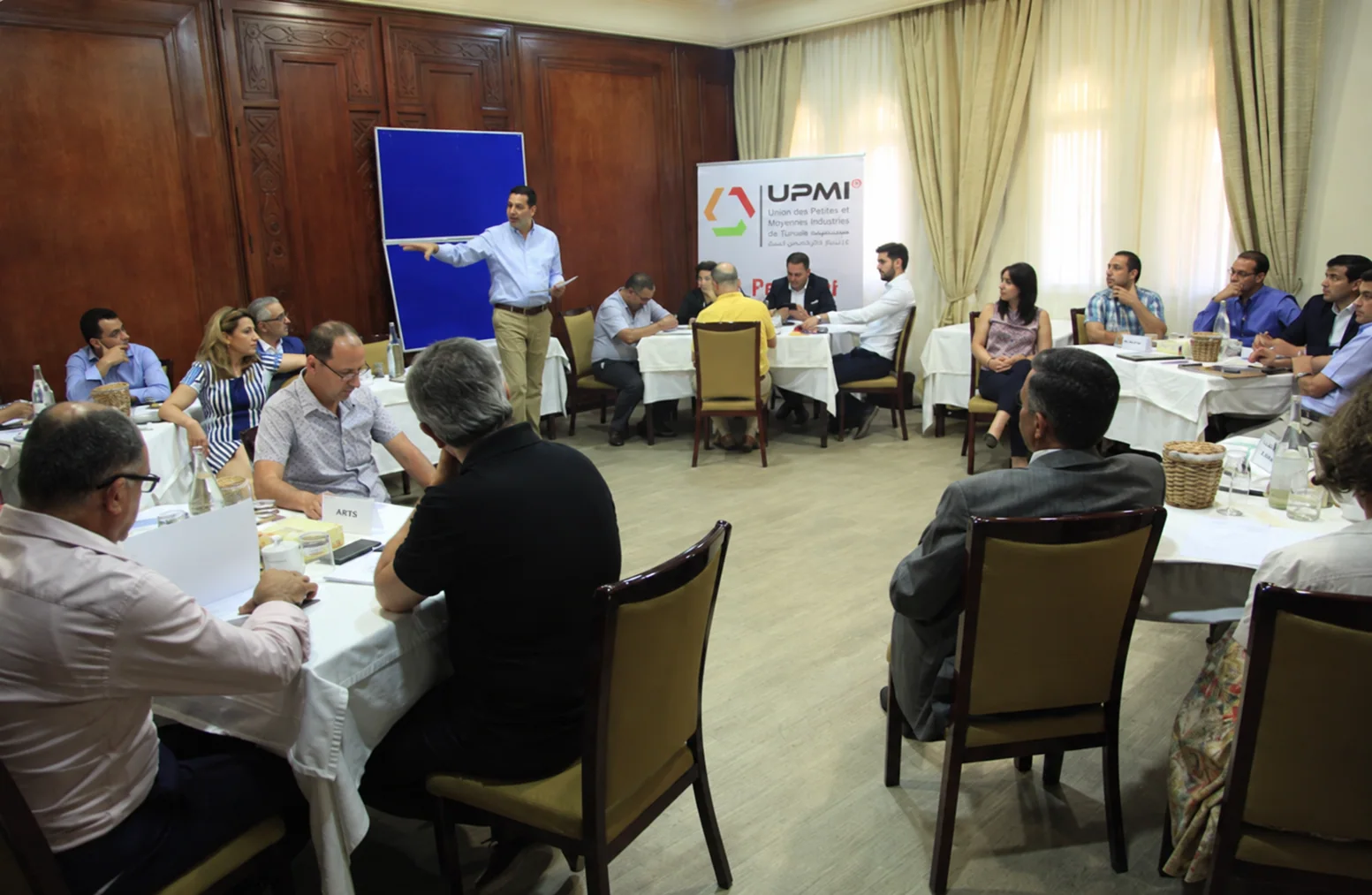
A long-term institutional architecture connecting entrepreneurship, employability, skills development, technology transfer, coworking and prototyping.
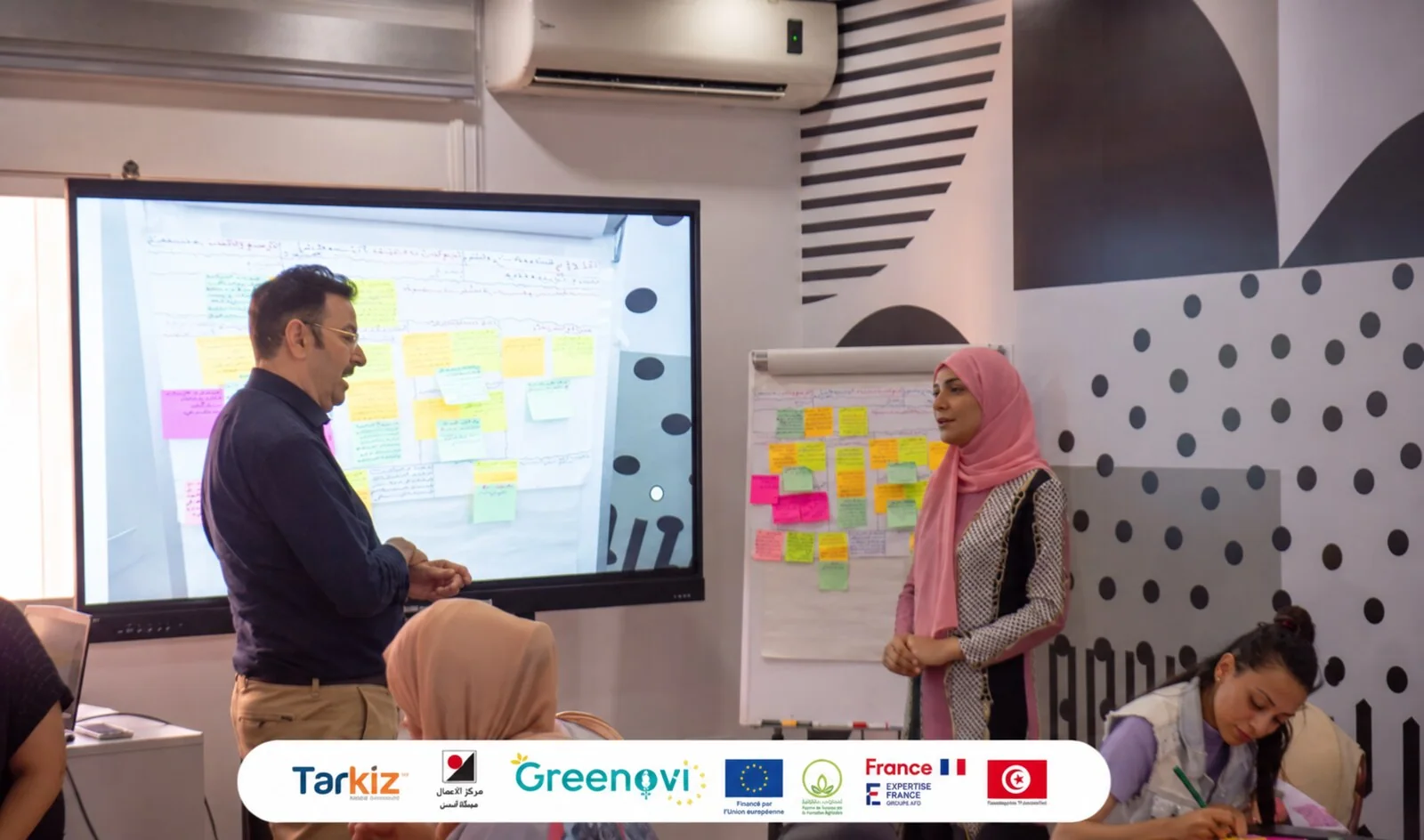
A strategic diagnosis translated into nine structuring actions spanning innovation policy, entrepreneurship governance and capability development.
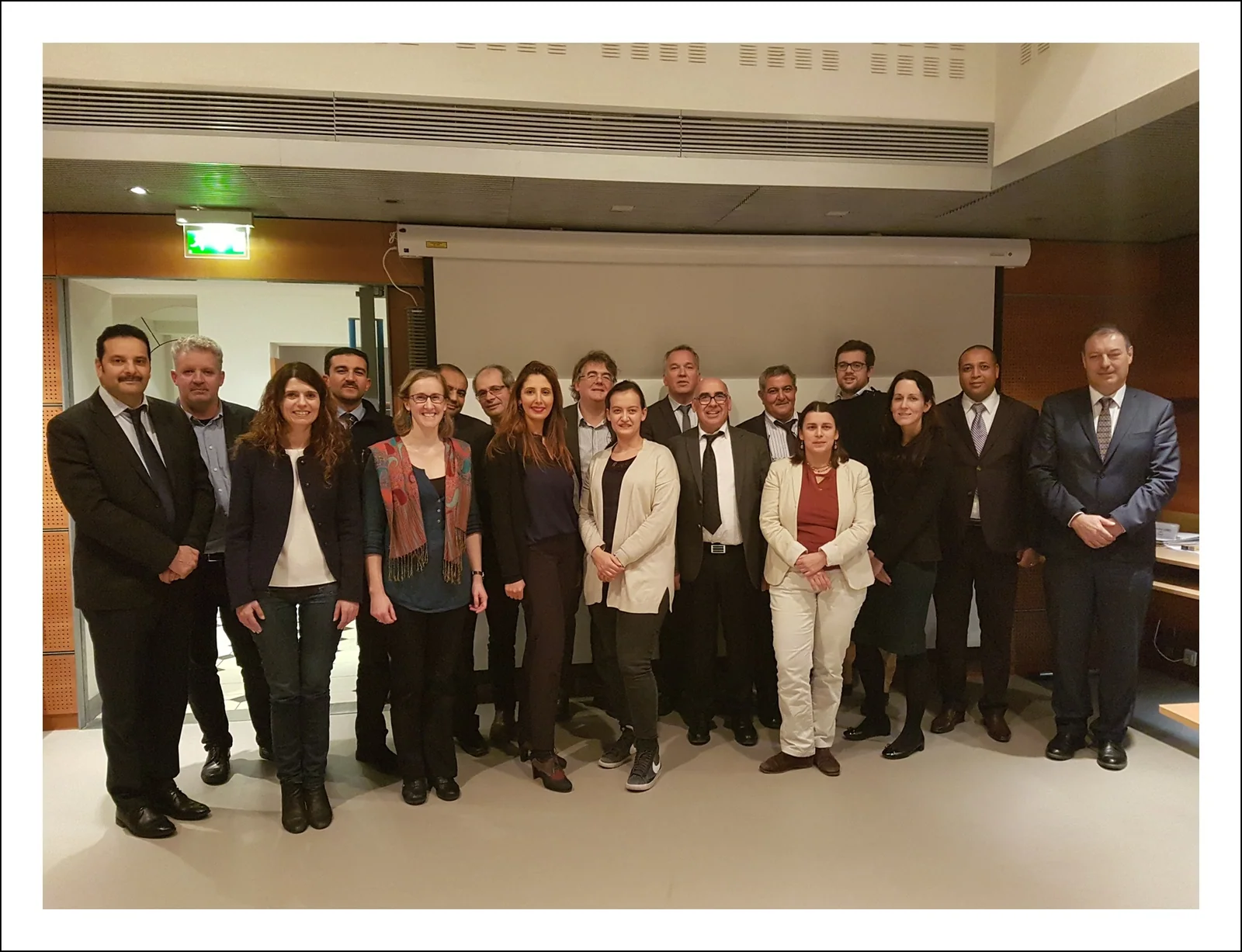
Programme design, consortium coordination and method transfer that help institutions continue operating beyond external funding.
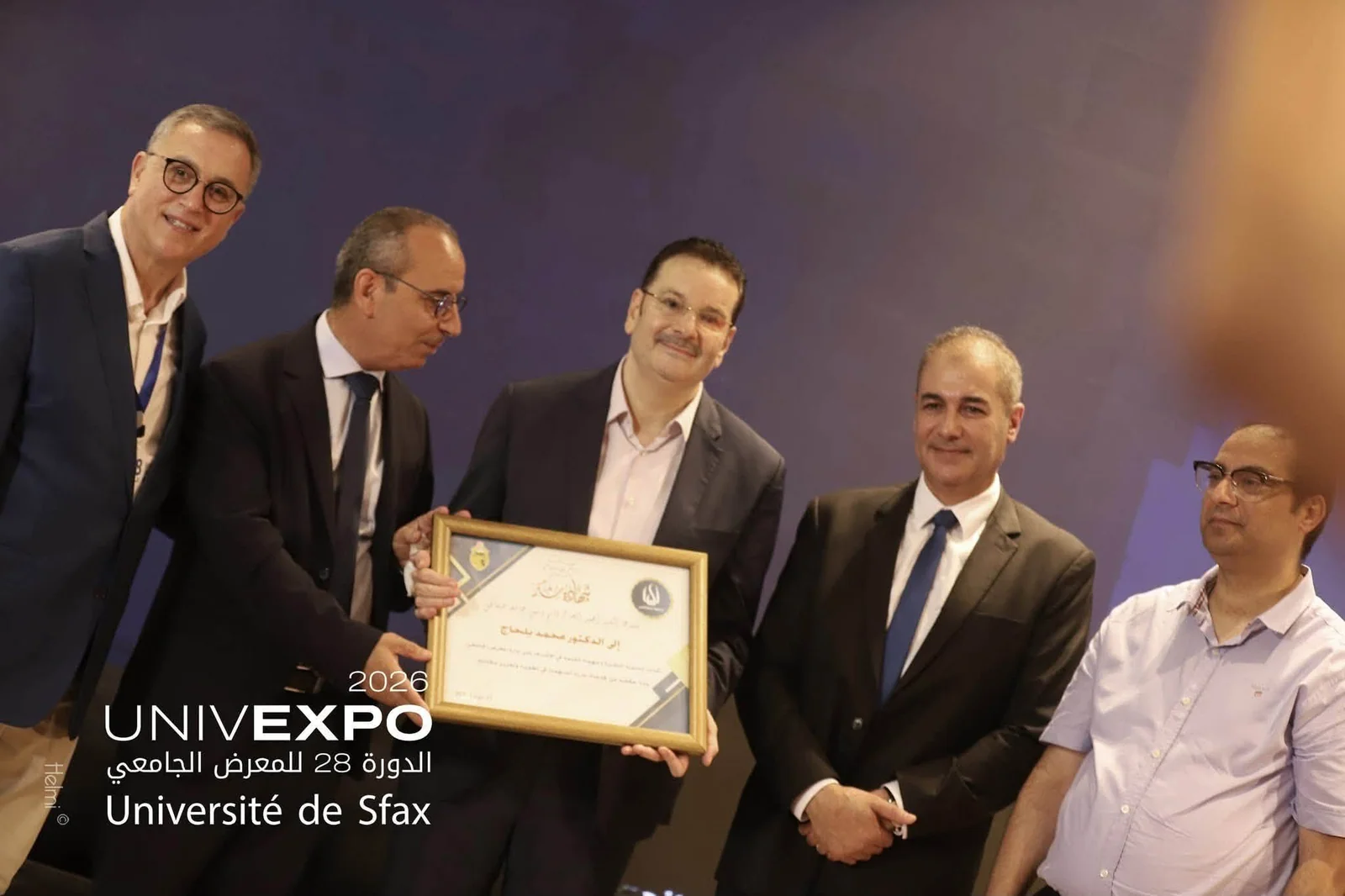
At UNIVEXPO 2026, Dr Mohamed BELHAJ received an institutional distinction from the University of Sfax, recognising a sustained contribution to the university ecosystem.
The objective is not a report that sits on a shelf. It is an institution equipped to operate, adapt and improve the system independently.
Workshops, training and stakeholder dialogue are used to move from diagnosis to ownership — with teams able to continue the work independently.
Facilitation, collective intelligence and green business-model development.
Institutional design lessons from long-term work across student entrepreneurship and international programmes.
Read the insight →Why interfaces, roles, incentives and capability transfer matter more than one-off partnership events.
Read the insight →A practical way to assess whether a development project created transferable institutional capability.
Read the insight →Share the context, location, expected role and indicative timeframe.